
The Writer’s Changing Relation to Art
Death in VeniceThis flow traces how Aschenbach’s artistic ideals first discipline desire, then provide it with an intellectual justification.
increasing Bearing strength in each event
 decreasing
Bearing strength in each eventdecreasingThe Young Skeptic
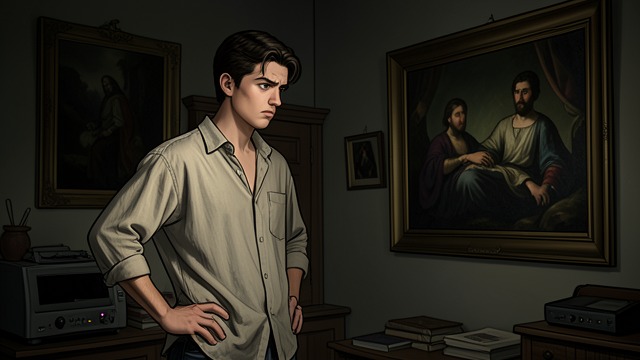
The Young Skeptic
Radical questions
Aschenbach’s youth is marked by skepticism about art and artistic authority. He once challenged the assumptions that his later public career would represent.
A path toward certainty
Over time, he moves away from irony and uncertainty toward dignity and formal control. This evolution gives his mature identity a strong moral appearance, but may also narrow what he permits himself to know.
Knowledge Rejected
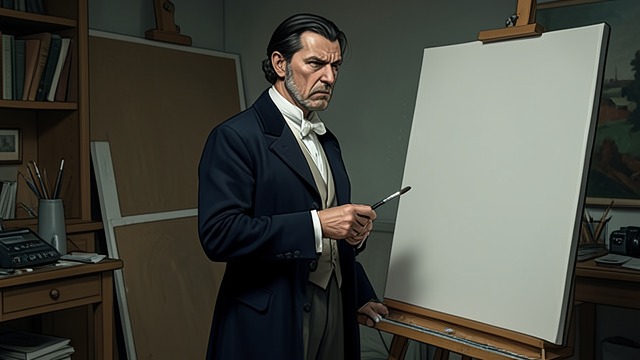
Knowledge Rejected
A deliberate simplification
Aschenbach comes to distrust forms of knowledge that weaken will or moral certainty. His later work favors clarity and firm judgment over unsettling analysis.
A vulnerability concealed
The rejection protects a public ideal, but leaves hidden impulses less examined. What appears to be moral strength may also create blind spots that later desire exploits.
Beauty Gives Direction
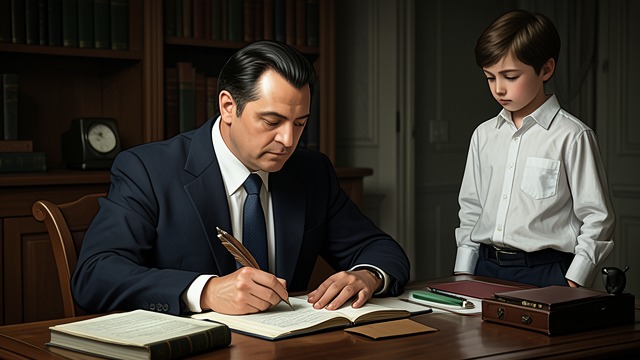
Beauty Gives Direction
The artist’s interpretation
Aschenbach considers how visible beauty might lead the senses toward spiritual understanding. Tadzio appears to embody an ideal that his intellect has long treated abstractly.
The theory turns personal
The idea gives his attention a language of philosophy and reverence. It also makes it harder for him to distinguish aesthetic contemplation from possessive desire.
Writing in Tadzio’s Presence
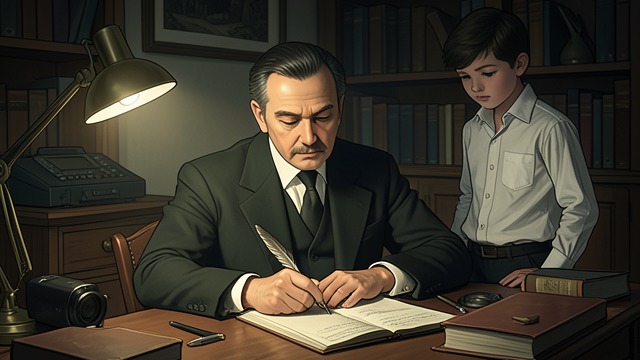
Writing in Tadzio’s Presence
A brief return to work
Aschenbach writes a short, polished piece while Tadzio remains in view. He imagines the boy’s form guiding the shape and movement of his prose.
Inspiration compromised
Artistic productivity and erotic fixation become entangled. The successful writing does not prove that his self-command is restored; it shows how thoroughly the obsession has entered his craft.
The Final Confession
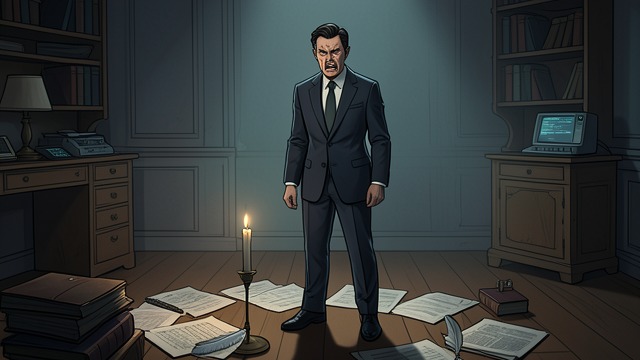
The Final Confession
A theory unraveling
In a fevered inner monologue, Aschenbach argues that poets cannot follow beauty without Eros or avoid the precipice. His earlier confidence in dignity and form has become an accusation against his own life.
Art without refuge
The artist recognizes that formal mastery cannot guarantee moral safety. His ideas no longer restore control; they articulate the failure of the principles that once sustained him.
During the account of Aschenbach’s early writing
During his mature turn toward dignity
During the first settled weeks at the Lido
During a morning on the beach
During his exhausted final days
